by Debbie Bonge | May 2, 2018 | Blog, Uncategorized
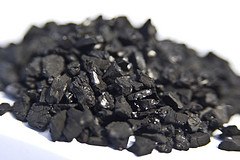
There are all kinds of different contaminants in tap water, and often times that means that multiple filtration techniques are needed to take care of all of them. One of the most popular of those techniques is activated carbon. Today we’re going to talk about what an...
by Debbie Bonge | May 2, 2018 | Water Softeners
When it comes to the water treatment industry, there are a few different myths and misconceptions that sometimes get floated around that can confuse homeowners who are interested in installing a system in their homes. One such misconception is the thought that water...

by Debbie Bonge | May 2, 2018 | Water Contamination, Water Quality, Water Treatment Products, Whole House Water Filtration
Whereas some water contaminants are known simply by their names (iron, arsenic, lead, sulfur, etc.), others are known by the group of related contaminants that they are a part of. Volatile Organic Chemicals are an example of the latter category, and they can be a...
by Debbie Bonge | May 2, 2018 | Water Quality, Water Treatment Products, Whole House Water Filtration
Some of the most damaging tap water contaminants are too small for the naked eye to see. In order to get a general idea of your water quality, these tiny contaminants are often grouped into a measurement known as total dissolved solids. Today we’re going to talk...

by Debbie Bonge | May 2, 2018 | Water Contamination, Water Quality, Water Treatment Products, Whole House Water Filtration
Water softeners rely on resin beads to remove hardness minerals from your water. As a result, the effectiveness of your water softener depends largely on the condition of those beads. Unfortunately, water that’s high in chlorine can damage resin beads and greatly...